Hugo Hansen · 3 October 2026
How Emerging Support Frameworks Are Transforming Waste Reduction Efforts in Sustainable Housing Projects
Support frameworks in sustainable housing have evolved to incorporate modular components that align structural needs with precise material usage, and researchers at various institutions have documented how these systems cut excess ordering during the building phase. Data from multiple projects indicates that integrated framing solutions allow teams to calculate loads and spans in advance so leftover lumber and composites drop significantly compared with traditional methods. Those who've studied implementation records note that the shift began accelerating around 2024 as housing developers sought ways to meet tightening environmental regulations across North America and Europe.
Core Mechanisms Driving Waste Reduction
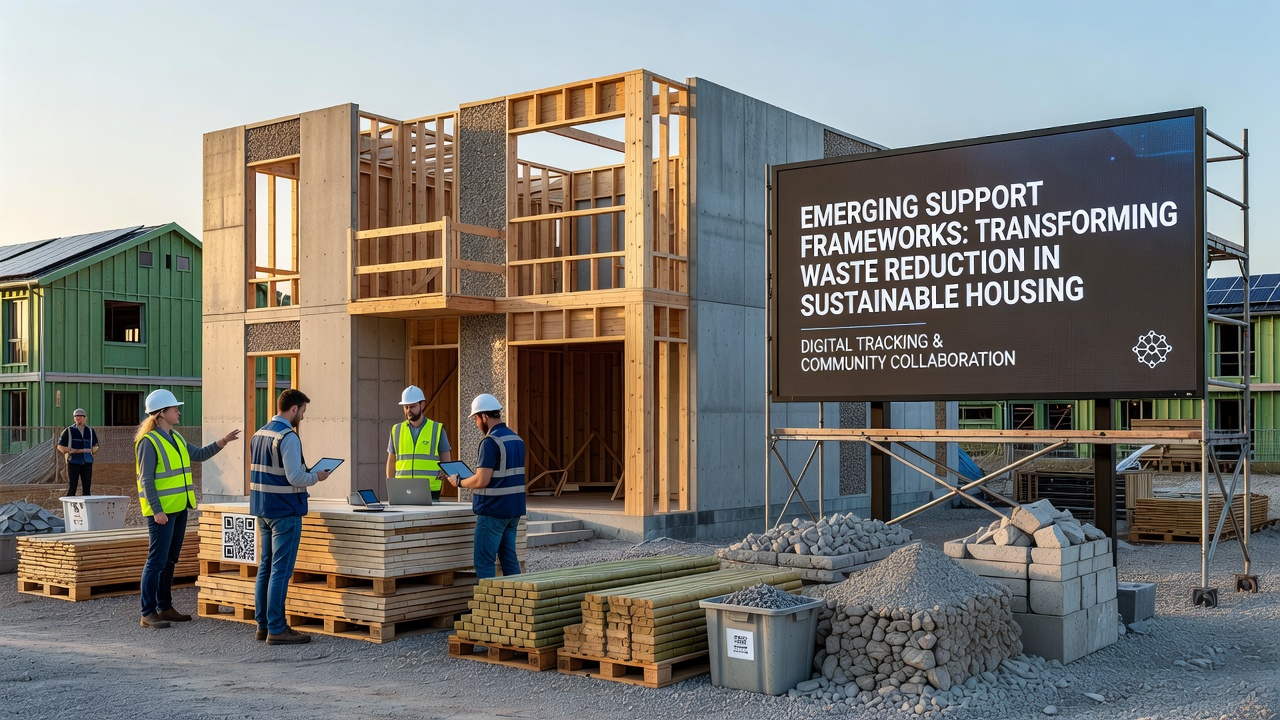
Engineers design these frameworks with standardized connection points that enable reuse of temporary bracing and supports across multiple stages of a project, which means fewer single-use items end up in landfills. Studies conducted by academic groups in Canada and Australia show that projects using pre-engineered joist layouts achieve up to 18 percent less wood waste because offcuts are minimized when components arrive sized to exact specifications. Builders often discover that digital modeling integrated with the support framework lets them simulate material flows before ordering begins, and this step alone has reduced over-purchasing in several documented cases from 2025 onward.
Policy and Technical Integration in 2026
In October 2026, updates from the U.S. Environmental Protection Agency highlighted how federal incentives now tie funding for affordable housing to measurable waste-reduction targets achieved through advanced support systems. Similar programs in the European Union encourage adoption of circular-material protocols that pair structural supports with deconstruction planning so end-of-life recovery rates improve. Observers note that these combined approaches create accountability loops where developers must report actual waste volumes, and the data feeds back into framework refinements for future builds.
What's interesting is how the same structural elements that carry loads also serve as alignment guides during installation, which prevents misalignment errors that historically led to discarded materials. Research indicates that when crews follow the framework's built-in measurement markers, drywall and insulation fit with less trimming and therefore generate smaller scrap piles on site.
Regional Examples and Measured Outcomes
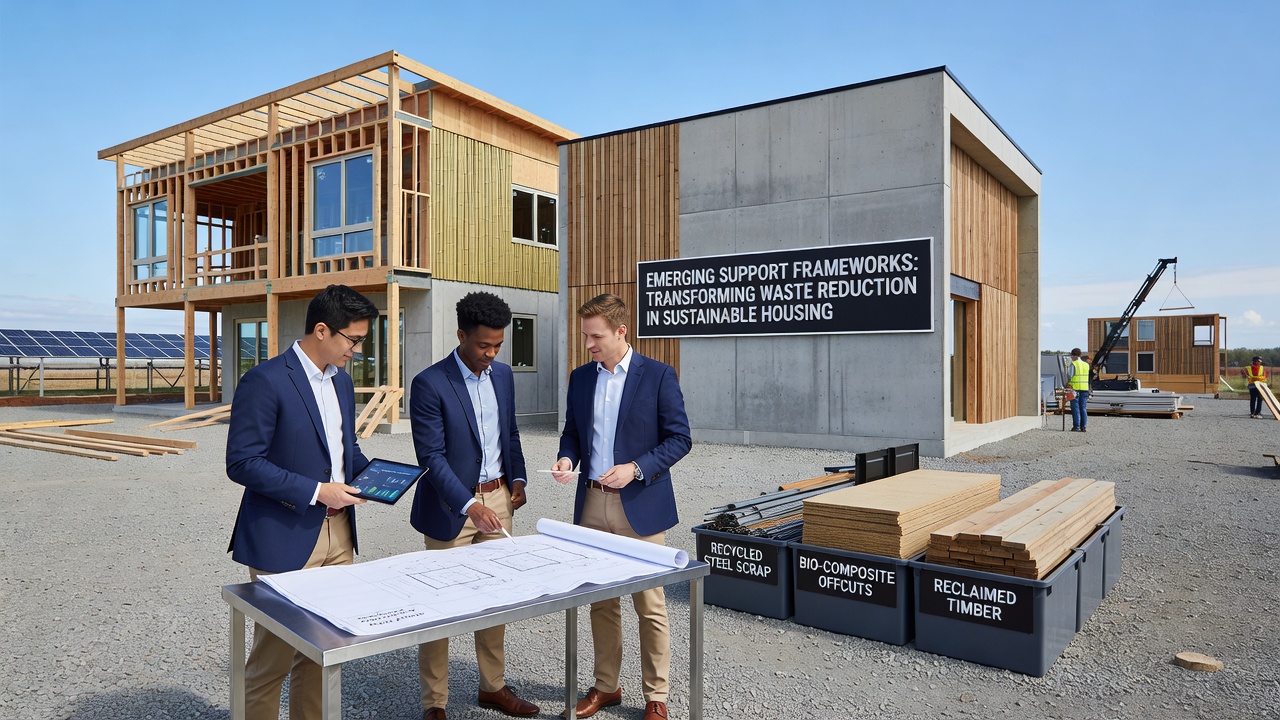
Projects in British Columbia have paired provincial building codes with framework specifications that require 30 percent recycled content in support members, and tracking reports show corresponding drops in virgin-material consumption. In parallel, a multi-year initiative tracked by the Australian government's sustainable housing division found that developments using hybrid steel-timber frameworks cut packaging waste by nearly a quarter because fewer protective wraps were needed for standardized parts. Those figures appear in public summaries released during 2025 and 2026 planning reviews.
Take one developer in the Pacific Northwest who switched to pre-fabricated support modules; the switch allowed just-in-time delivery schedules that eliminated weeks of on-site storage, and weather-related damage to stored materials declined sharply as a result. Similar patterns emerge in Scandinavian case studies where cold-climate housing relies on insulated support cores that double as thermal breaks, thereby reducing the need for separate insulation layers that often produce offcut waste.
Supply-Chain Adjustments Supporting the Shift
Manufacturers have responded by offering take-back programs for unused framework components, and industry reports from the National Association of Home Builders document rising participation rates among suppliers. These programs close material loops because returned items are inspected, re-certified, and reintroduced into new projects without entering the waste stream. Data compiled through 2026 shows that participating suppliers have lowered their own disposal costs while providing builders with predictable pricing that further encourages adoption.
Yet the transition still requires workforce training so crews understand how to sequence installation around the support framework rather than treating it as an afterthought. Training modules developed by community colleges in several states now include hands-on modules that demonstrate waste-tracking techniques tied directly to framework use.
Conclusion
Evidence gathered across continents demonstrates that emerging support frameworks function as both structural solutions and waste-management tools when integrated early in project planning. Continued monitoring through 2026 and beyond will clarify how these systems scale across different climate zones and regulatory environments, while the measurable reductions already recorded in pilot projects provide concrete benchmarks for future housing developments.